
How has climate change influenced the development of societies, cultures, and the natural environment over the course of thousands of years? Participants in an international seminar on the connections between history, ecology, and climate were seeking answers to this question.
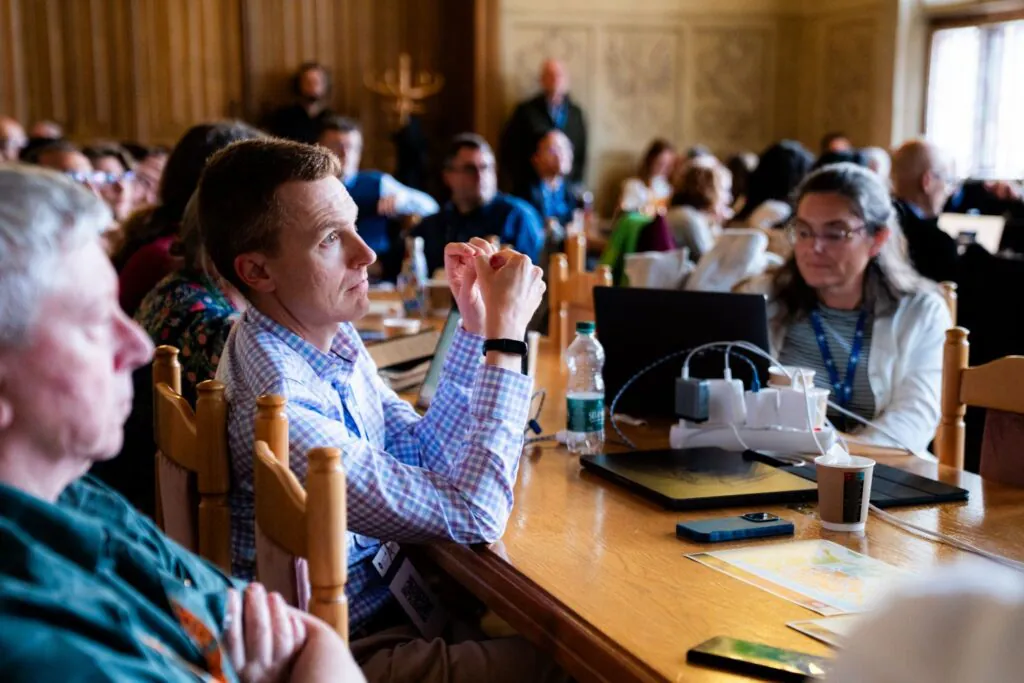
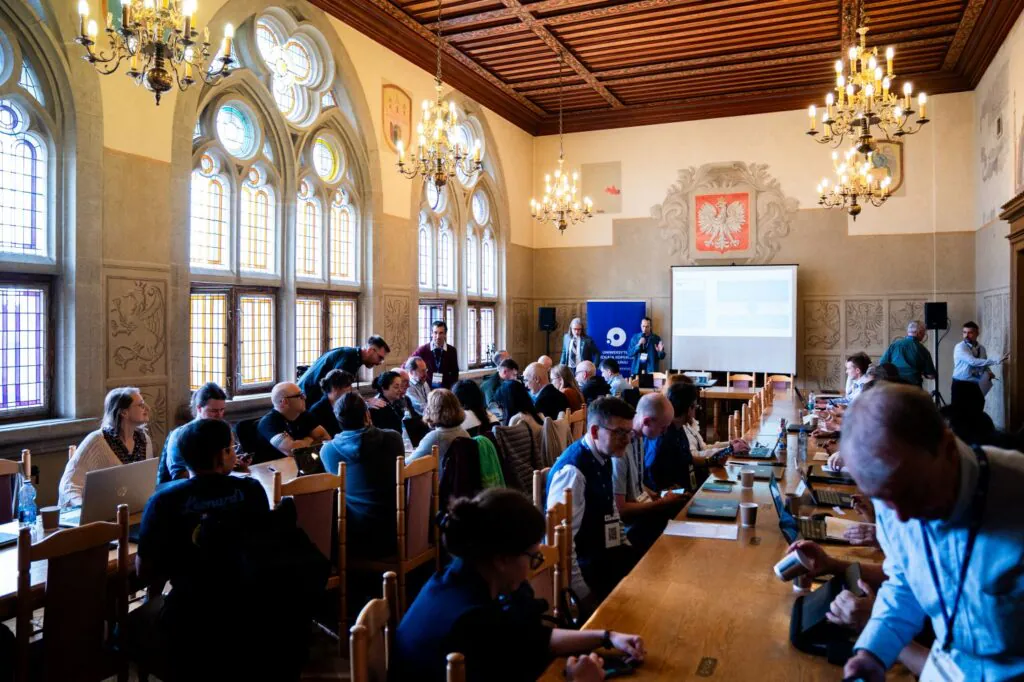
On June 15–17, Collegium Maius hosted participants in the seminar “Climate Change and History Research Initiative 2026 Annual Colloquium: Cultural-biological co-evolution and climate change in the Holocene.” The event was organized by the HUMECO research group led by Professor Adam Izdebski from the Institute of Advanced Studies.
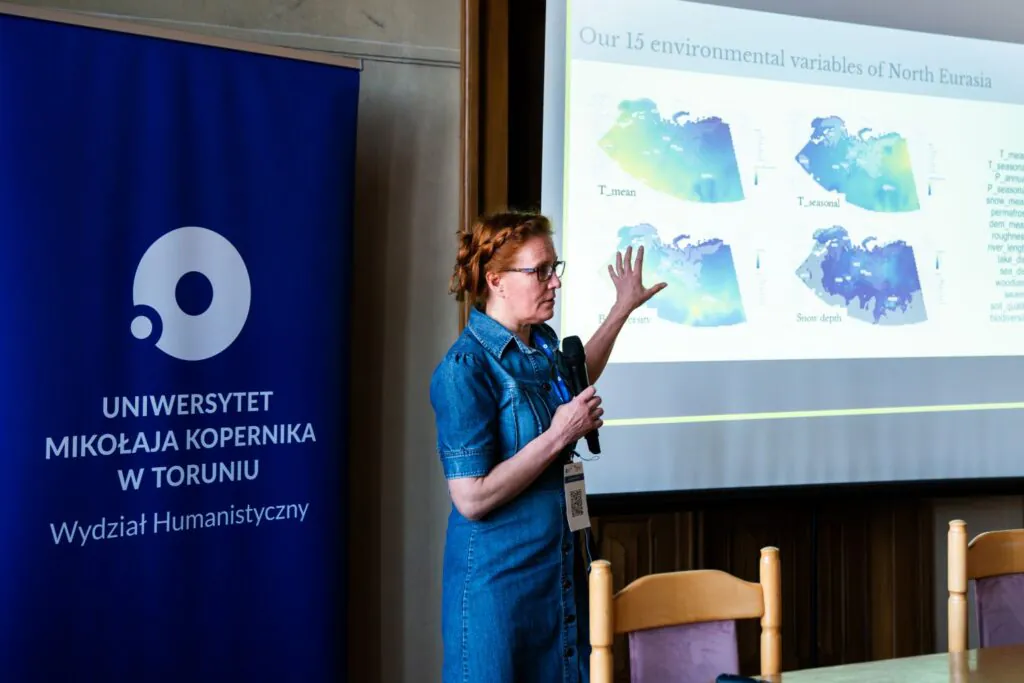
The program for the three-day conference focused on the long-term relationship between humans and the environment, as well as the impact of climate and environmental changes on the development of societies. The conference was attended by researchers representing the fields of environmental history, archaeology, human ecology, climate science, and other disciplines concerned with the study of past and present environmental changes.
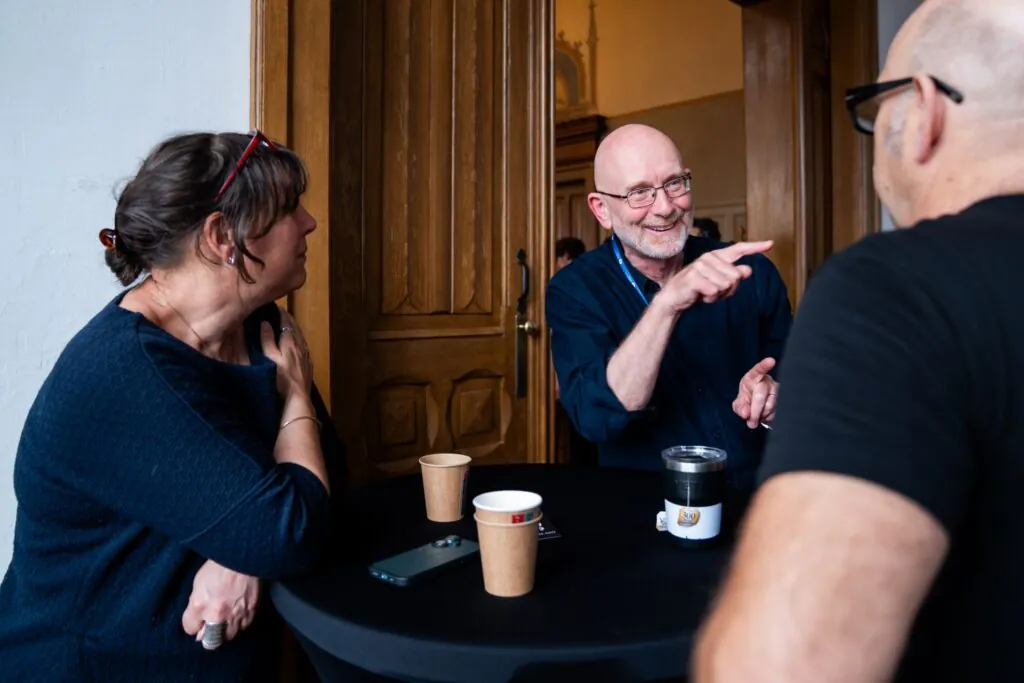
On the first day, discussions focused on the relationship between humans and animals, the processes of domestication, and various forms of coexistence between humans and other mammalian species. Participants also analyzed the connections between climate, ecology, agriculture, and political organization from the Neolithic through the Iron Age, as well as the cultural and environmental changes occurring in Europe during the Little Ice Age. On the second day, the proceedings focused on the interrelationships between ways of life, the environment, climate, and politics in the Greco-Roman world. Another key topic was the transformation of Central Europe following the fall of the Roman Empire, as well as the social and ecological changes that took place during the first millennium CE. The third day focused on the connections between climate change, ecological transformations, and the evolution of languages across the entire Holocene. Participants also discussed the impact of climate shocks and political changes on the functioning of Eurasian societies. The seminar culminated in a debate summarizing the most important conclusions drawn from the proceedings.