


NanoLayersTurboLTF: withdrawal-period-free treatment of mastitis in dairy cattle using nano-modified lactoferrin and self-cleaning PVD applicators

The challenge
Mastitis remains one of the most important health and economic challenges in dairy farming. It affects animal welfare, milk quality and farm productivity, while conventional antibiotic treatment can require milk withdrawal and generate losses for farmers. At the same time, the dairy sector needs faster and more precise tools for monitoring milk quality, identifying relevant quality markers and supporting control of selected xenobiotics. NanoLayersTurboLTF addresses both needs within one integrated research concept: a therapeutic platform and an analytical platform.
Our approach
NanoLayersTurboLTF is being developed as one integrated platform with two complementary arms. The therapeutic arm is focused on new approaches to mastitis management, while the analytical arm is focused on advanced tools for milk quality and safety assessment. Both arms are connected through functional thin films, nanostructured surfaces, modern mass spectrometry and biologically relevant validation models.
Therapeutic platform
- Development of native, apo- and holo- forms of lactoferrin and their modification with d-electron metal ions, particularly ruthenium(III);
- Development of encapsulation, stabilisation and formulation approaches for lactoferrin-based preparations;
- Development of functional thin-film surfaces for intramammary applicators, with emphasis on limiting microbial adhesion and biofilm formation;
- Evaluation of the developed solutions using ex vivo models, microbiological studies and field work in dairy cattle.
Analytical platform
- Development of thin-film and nanostructured surfaces designed to support laser desorption and ionisation processes in mass spectrometry;
- Development of methods based on nanostructure-assisted and surface-assisted laser desorption and ionisation for the analysis of milk and dairy raw materials;
- Development of methods for monitoring milk quality markers and selected compounds relevant to dairy quality and safety;
- Integration of analytical tools with ex vivo models, clinical and environmental microbiology, and field studies to support practical validation for the dairy sector.
The strength of the project lies in the close interaction between these two arms. Functional thin films and nanostructured materials are developed not only as components of therapeutic devices, but also as elements of analytical platforms. In parallel, ex vivo models and microbiological studies provide a bridge between laboratory research and real-world dairy applications. This makes it possible to develop both a new treatment concept and a complementary set of analytical tools for the dairy industry within the same research programme.
Expected impact
The project is expected to deliver two complementary groups of results. The first is a therapeutic platform combining modified lactoferrin formulations with functional intramammary applicators designed to support mastitis management while reducing reliance on antibiotics and milk withdrawal. The second is an analytical platform based on thin films, nanostructured surfaces and modern mass spectrometry, providing new tools for monitoring milk quality, relevant molecular markers and selected xenobiotics. Together, these solutions are intended to support animal health, dairy quality, food safety and more sustainable milk production in line with the One Health approach.
The project is carried out in partnership with the University of Life Sciences in Lublin and Bydgoszcz University of Science and Technology.

Team Leader
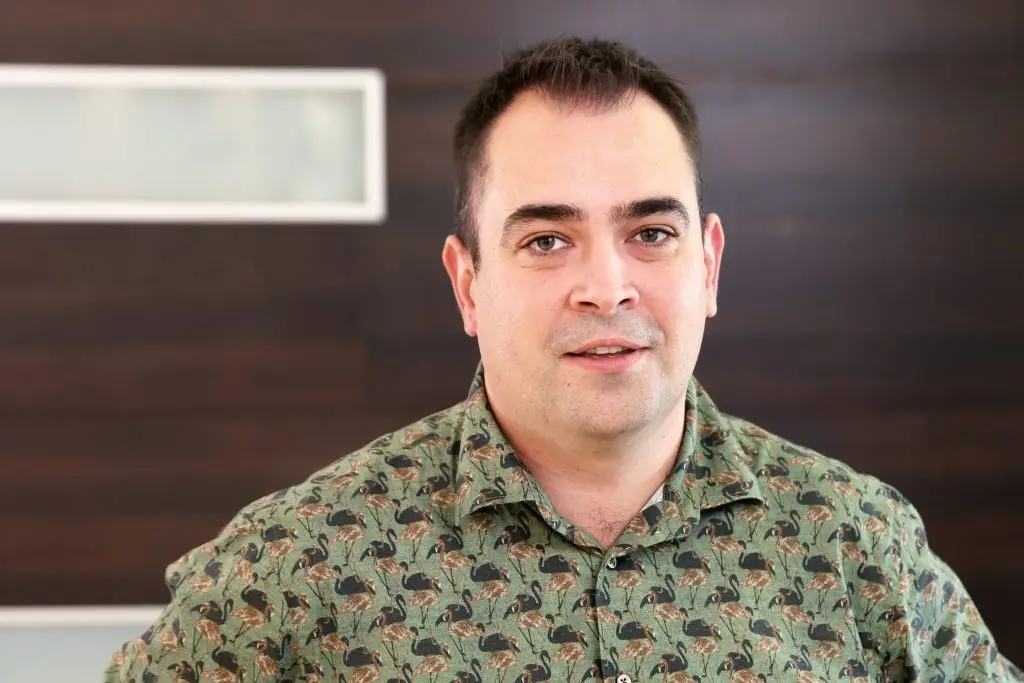
Paweł Pomastowski
Professor at NCU
Bio:
Paweł Pomastowski coordinates the scientific programme of NanoLayersTurboLTF and integrates the therapeutic and analytical parts of the project. At Nicolaus Copernicus University in Toruń, his team is responsible for developing encapsulation and stabilisation methods, modifying native, apo and holo lactoferrin with d-electron metal ions, particularly ruthenium(III), and creating lactoferrin-based formulations. The team also develops mass-spectrometric methods based on nanostructure-assisted and surface-assisted laser desorption and ionisation, linking protein chemistry, formulation science and advanced analytical tools for dairy applications.