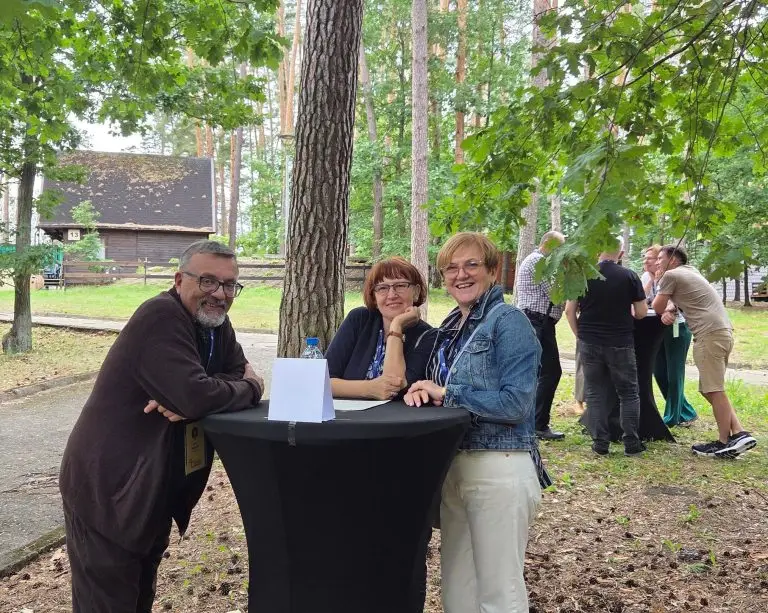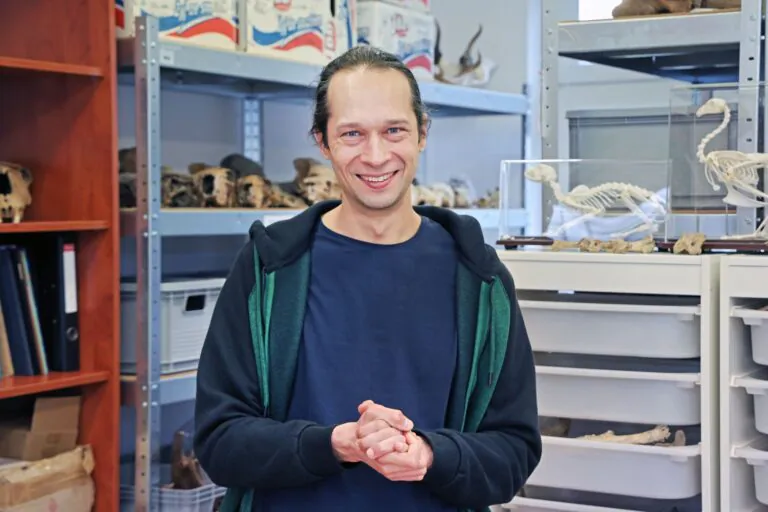

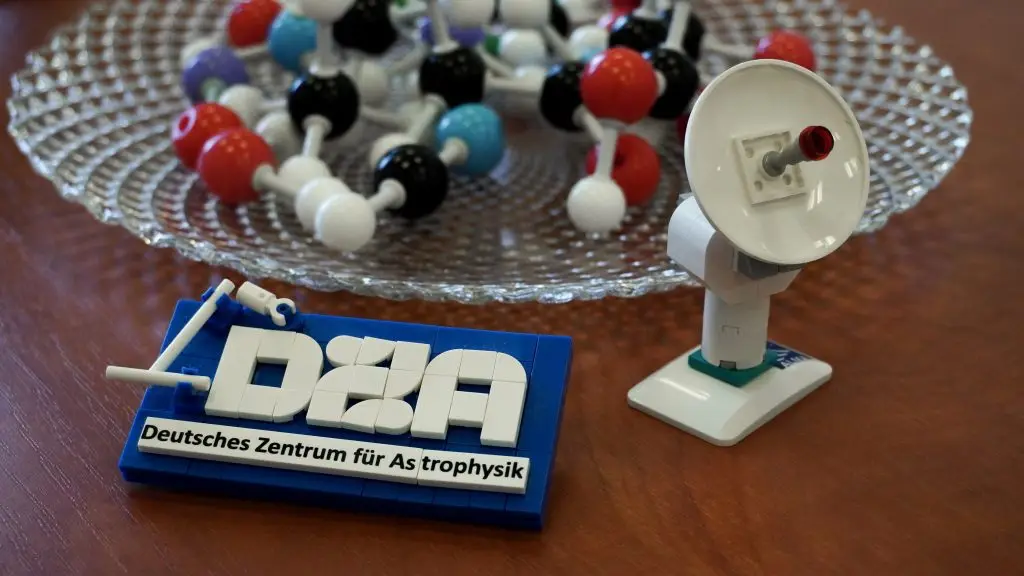
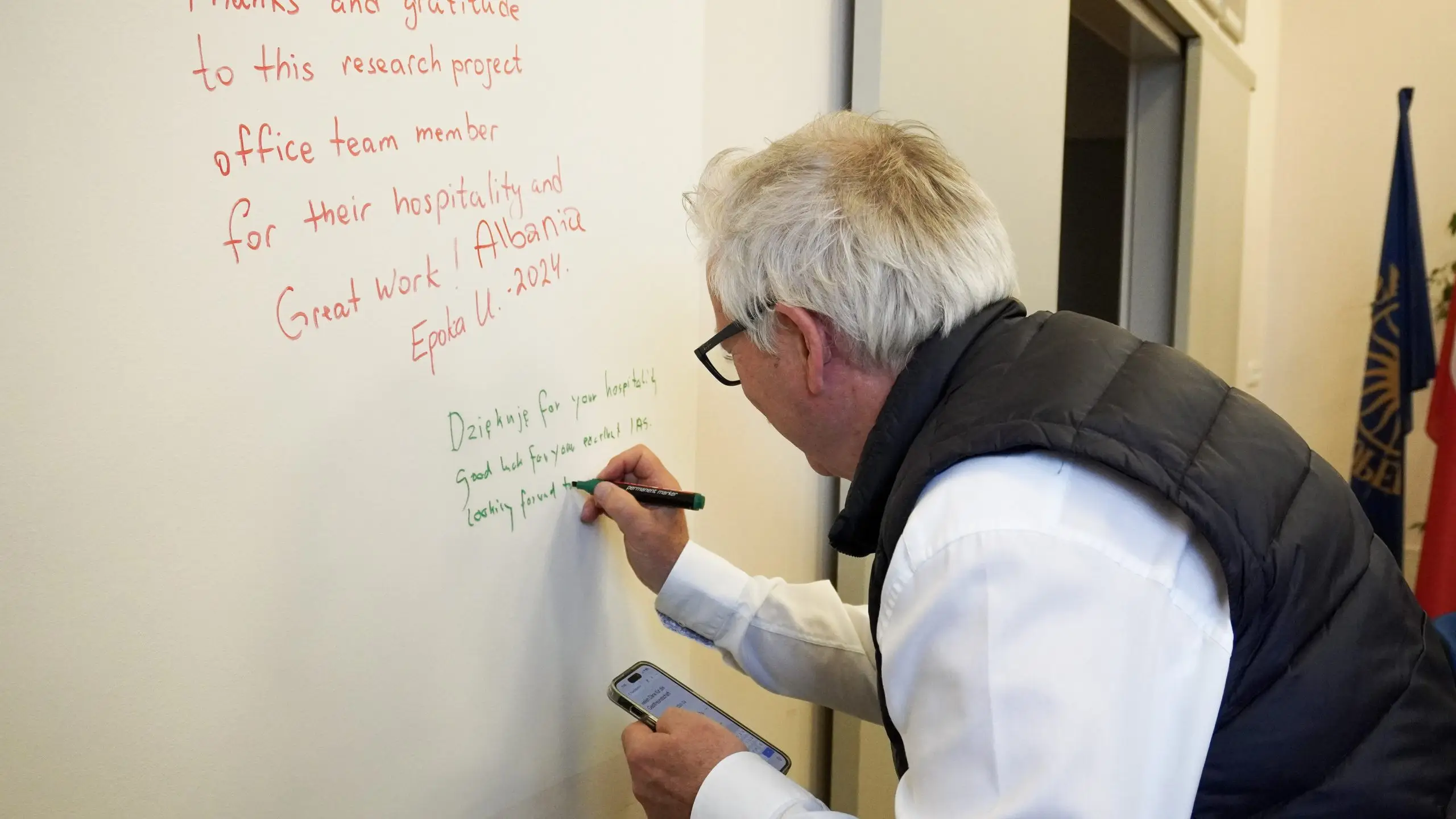
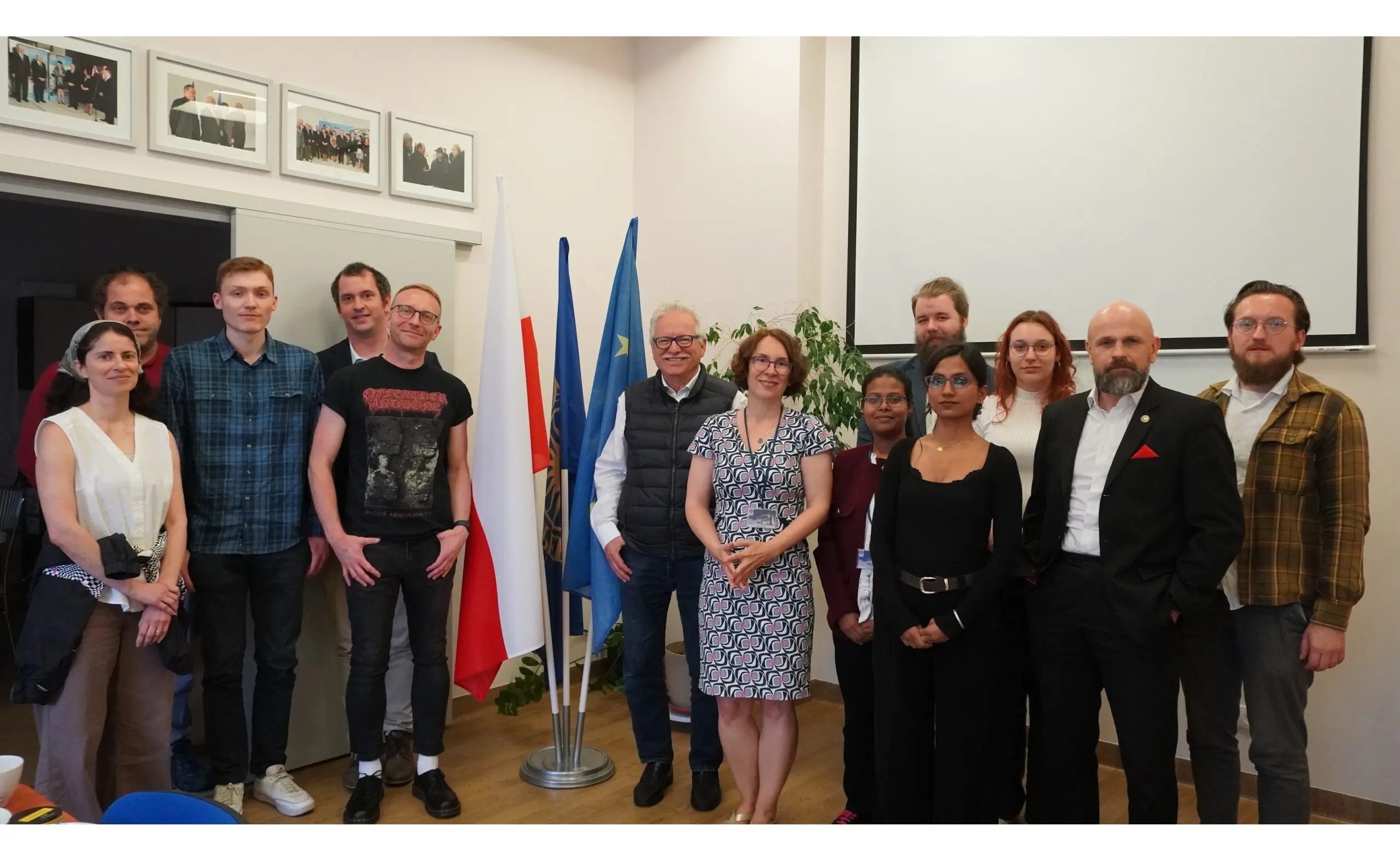
On July 7th 2026, the Molecular Astrophysics Group (MA-LAB) at the Institute ofAdvanced Studies at the Nicolaus Copernicus University in Toruń (IAS@NCU), hosted a delegation from the German Centre for Astrophysics (DZA), based in Görlitz, Germany, including DZA’s scientific director, Prof. Dr. Günther Hasinger. The visit marked the start of a dialogue aimed at initiating collaboration between the two institutions.


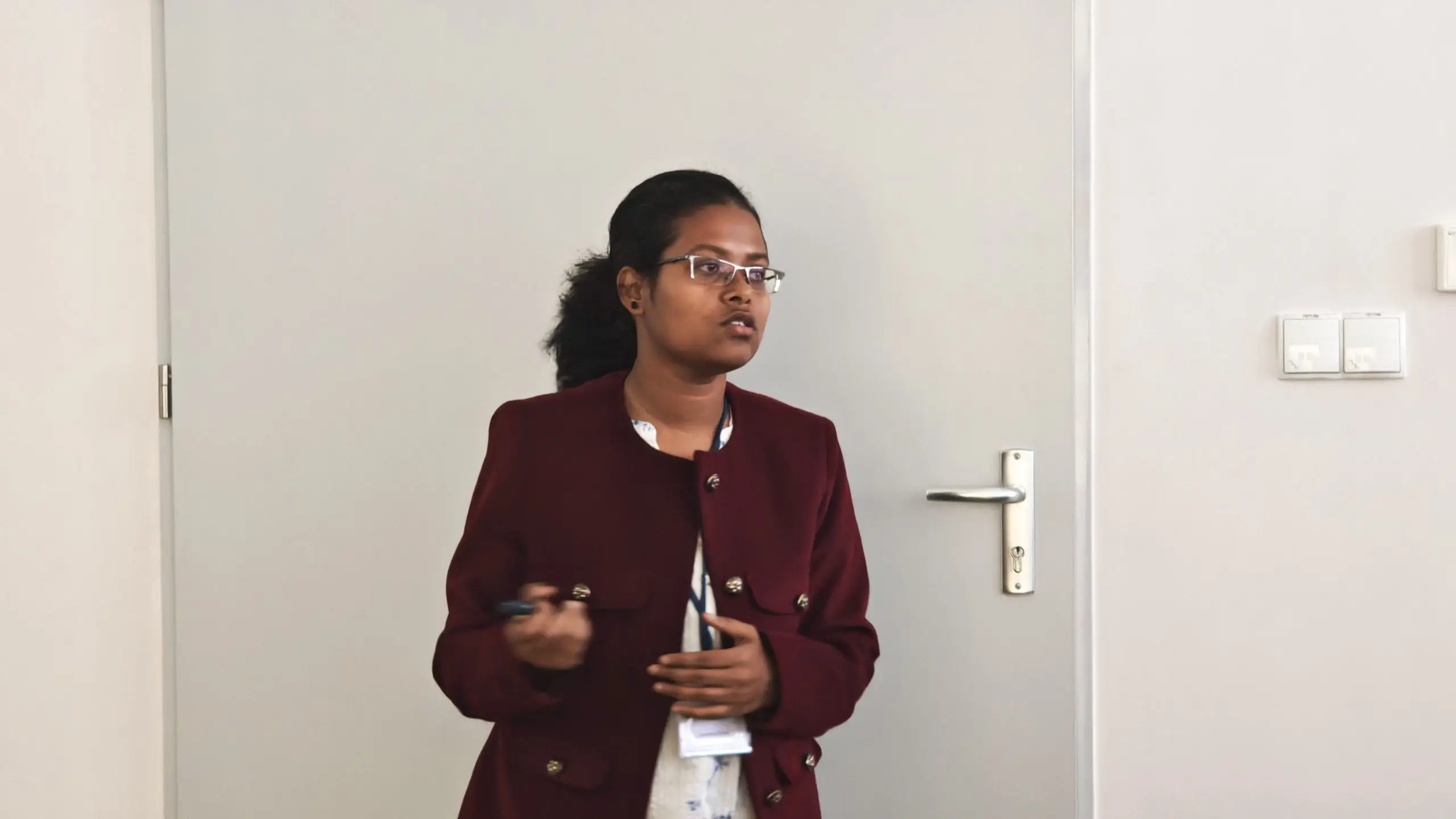
The Molecular Astrophysics Group presented an overview of its research interests and activities, as well as plans for the coming years. Group leader, Dr Agata Karska, opened with a general introduction to the group’s scientific work, followed by talks from Dr Sudeshna Patra on studies of the outer Galaxy, Survi Kumari on high-mass star formation studies, and Jakub Lipiński on feedback from young stars in local low-metallicity environments. The presentations also touched on the group’s involvement in major observational projects using the Atacama Pathfinder Experiment (APEX), the James Webb Space Telescope (JWST), and the X (PMO). Moreover, MA-LAB’s researchers talked about the preparations for the upcoming SKA-Mid and CCAT facilities, as well as other future collaborations.
The DZA team, in turn, presented the centre’s scientific focus and its current stage of development. They described their outreach efforts to raise awareness of astronomy (STEM broadly) in the Lusatia region, plans for involvement in large infrastructure projects, in particular DSA-2000 and the German Data Centre for SKA (DSRC), and upcoming opportunities for hiring and visitor programmes.
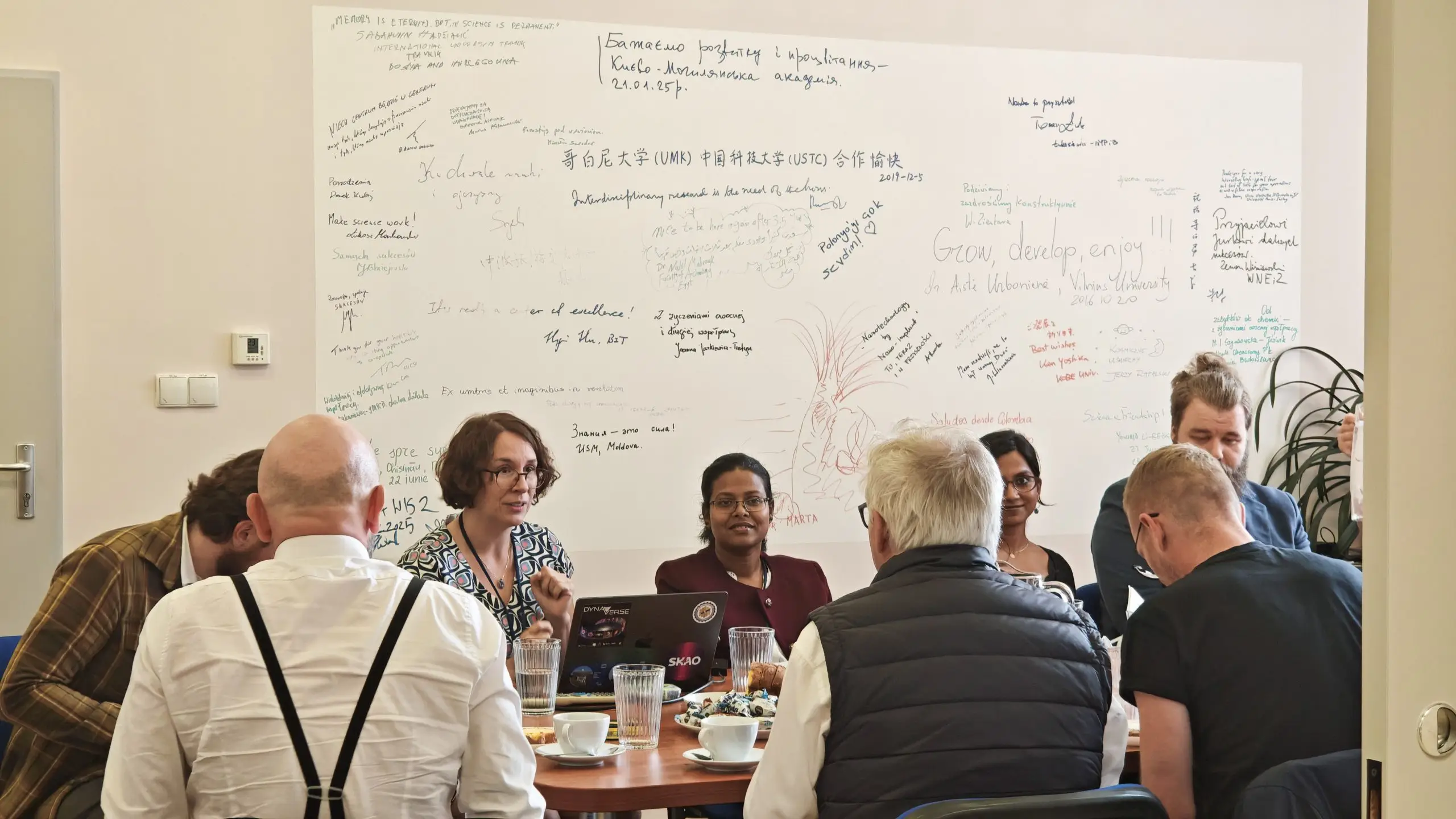
The two teams discussed prospects for future collaboration, both in scientific research and in outreach activities, as well as the broader funding landscape, including opportunities arising from dual-use instrumentation.
The visit is seen as a promising first step toward a lasting partnership between IAS and the DZA.
Author of the article: Survi Kumari