

The world’s population is growing very quickly, which means we need to increase food production. However, there is only a limited amount of land suitable for farming and soil degradation is becoming a serious problem as well. At the same time, climate change makes agriculture more difficult by causing harmful conditions, such as droughts, floods and increased soil salinity. Food security is a big global challenge of our times. Intensified attempts to sustainably increase agricultural yields are necessary to ensure it.
One of the group’s areas of interests is soil health. As the leader of the Green NanoPath Creators research group, Prof. Marek Wiśniewski explains,
Soil is a living ecosystem that stores carbon, regulates water, sustains biodiversity and supports food production. As climate change, population growth, environmental pollution and land degradation intensify, protecting and restoring soil health has become a critical environmental and economic priority. Maintaining soil health helps farms remain productive and feed the ever-growing population. — Prof. Wiśniewski
According to Prof. Wiśniewski, the most significant threats to soil are erosion, environmental pollution and the decline of organic matter. These processes directly reduce soil fertility, water-retention capacity, biodiversity and carbon storage. In Poland, specifically, the most important emerging challenge are the loss of soil organic matter, increasing drought linked to climate change and erosion.
An important part of the group’s research work are nanofertilizers and nanopesticides which seem to have many advantages over traditional solutions.
Conventional chemical fertilizers and pesticides must be applied in large quantities and a significant portion can leach into the soil and water, causing environmental contamination. Nanofertilizers and nanopesticides allow for the slow and sustained release of active substances, which improves their uptake by plants while reducing fertilizer and pesticide consumption and minimizing pollution. When these materials are used in optimized doses, they are less likely to accumulate in soil and plants and can be safe for humans and the environment. — Prof. Wiśniewski
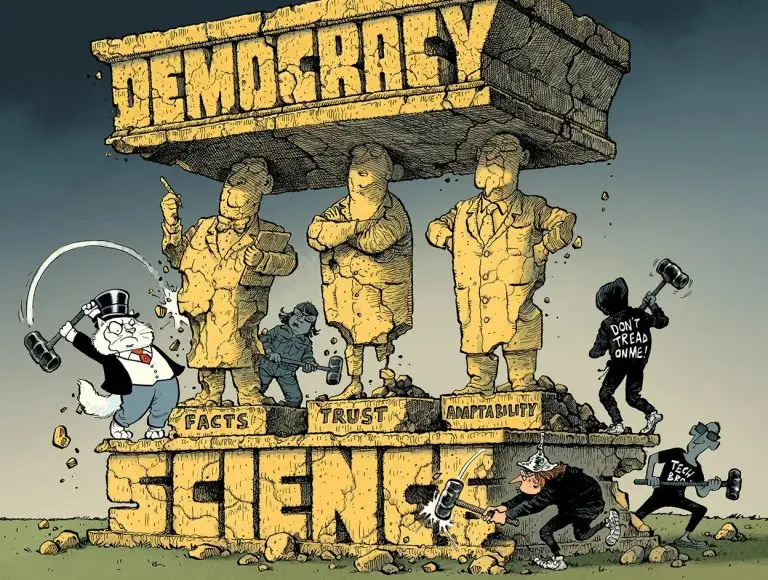
The Green NanoPath Creators research group is making a contribution to achieve ‘zero hunger’ goal. Undoubtedly, science plays a crucial role in achieving this objective. Although it cannot by itself address the social, economic and political causes of hunger, it delivers essential innovations, like precision agriculture, data science and resistant crops which are needed to boost food production sustainably.
How do researchers from the Green NanoPath Creators group see the future of agriculture? Prof. Marek Wiśniewski says:
In 20–30 years, agriculture will likely become a hybrid system rather than a fully “laboratory-like” environment. Large-scale field farming will remain essential, especially for staple crops, but it will be increasingly supported by advanced technologies: autonomous machines, sensor networks and AI-based decision-making systems. At the same time, controlled systems such as vertical farms and high-tech greenhouses will expand to support high-value production. In this sense, fields themselves will evolve into “distributed laboratories,” where water, nutrients and plant health are continuously monitored and optimized. Agriculture will not fully resemble a laboratory, but it will adopt its key features: precision, control and reproducibility. The main barriers to implementing innovative materials are not purely scientific, but systemic. First, there is the issue of cost and scalability, materials that work well in the lab are often too expensive for large-scale use. Second, soil complexity makes performance less predictable in real conditions. Third, regulatory uncertainty, especially for novel materials like nanostructures, slows deployment. Finally, there are adoption barriers, farmers tend to be cautious, particularly when benefits are not immediately clear. — Prof. Wiśniewski